

You’ve optimized your training, dialed in your nutrition, and prioritized recovery—yet you’ve hit that frustrating plateau. The last bit of stubborn fat won’t budge, and your muscles feel perpetually sore. In your search for a legal performance edge, you’ve likely encountered Ipamorelin, a peptide touted as a “clean” growth hormone secretagogue.
But with conflicting information across bodybuilding forums and supplement marketing, it’s difficult to separate genuine benefits from exaggerated claims. This evidence-based review cuts through the hype to examine what Ipamorelin can—and cannot—do for athletes, bodybuilders, and fitness enthusiasts.
Understanding Ipamorelin: The Science Behind the Hype
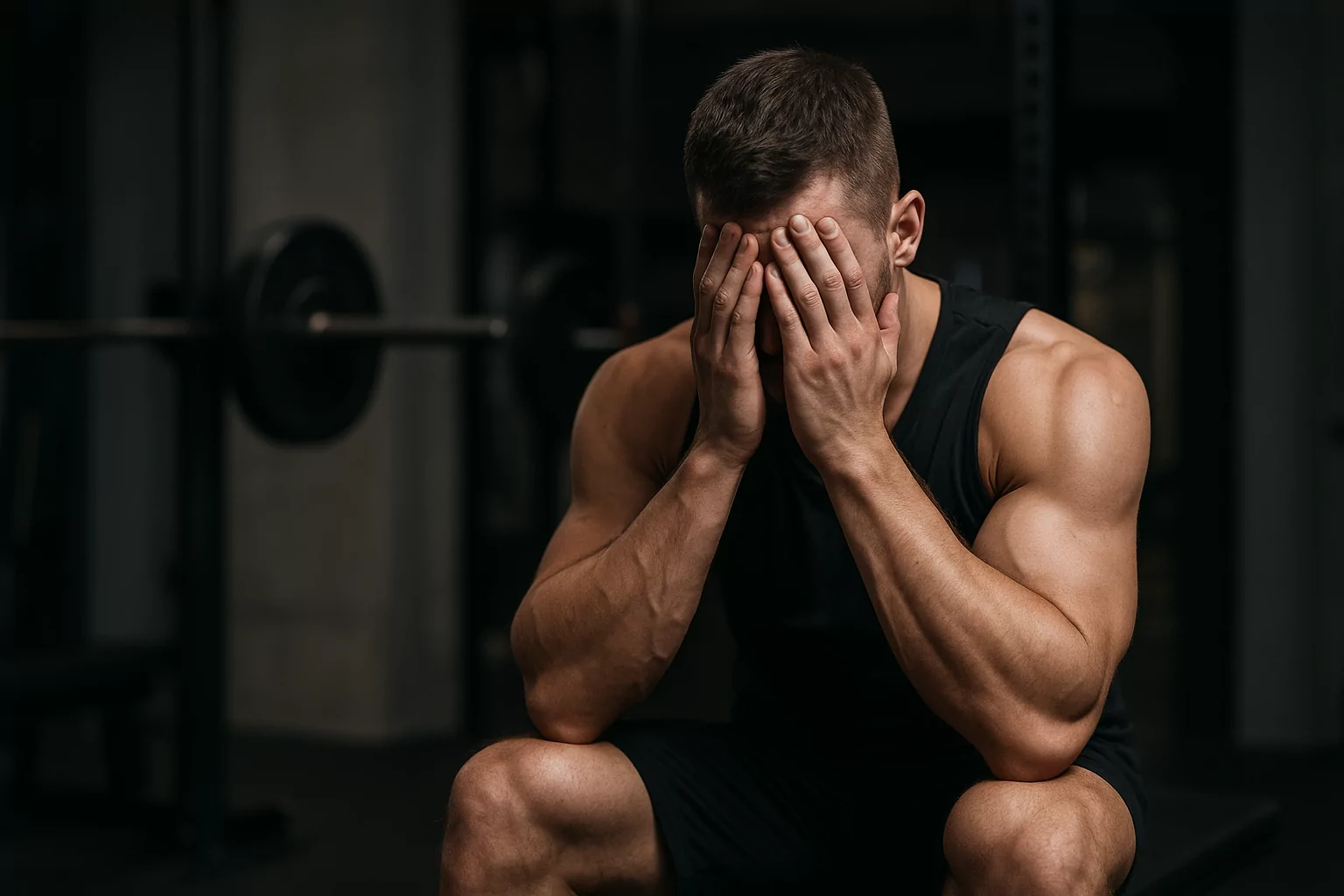
Ipamorelin belongs to a class of compounds called growth hormone secretagogues (GHS). Unlike synthetic HGH that introduces external hormones into your system, Ipamorelin stimulates your pituitary gland to produce more of your body’s natural growth hormone.
Think of it this way: Your pituitary gland is a secure vault containing your growth hormone reserves. Ipamorelin acts as a specific key that unlocks this vault in a controlled, pulsatile manner that mimics your body’s natural GH release patterns.
What sets Ipamorelin apart from earlier peptides like GHRP-6 is its selective action. It specifically targets growth hormone release while having minimal impact on other hormones like cortisol and prolactin. This selectivity means fewer side effects like the intense hunger commonly associated with other peptides.
The Evidence Board: Analyzing Ipamorelin’s Key Claims
Let’s examine the most common claims about Ipamorelin through the lens of current scientific evidence and practical athlete experience.
Claim 1: Promotes Significant Fat Loss
The Theory: Growth hormone enhances lipolysis—the breakdown of stored fat for energy. By elevating GH levels, Ipamorelin should theoretically improve body composition and reduce stubborn fat areas.
The Evidence: Research, primarily from animal studies and clinical settings, does support that GH-secreting compounds can reduce fat mass. A 2007 study published in the Journal of Endocrinology demonstrated that Ipamorelin administration increased GH levels and promoted lipolysis. However, for trained athletes already at lower body fat percentages, the effects are likely to be modest rather than transformative.
Practical Verdict: Ipamorelin may provide a slight edge in fat loss when combined with proper nutrition and training, but it won’t replace the fundamental requirement of a calorie deficit. For athletes struggling with stubborn fat, it might be more effective to first optimize your sleep and recovery protocols, which naturally enhance GH production.
Claim 2: Builds Substantial Muscle Mass
The Theory: Increased growth hormone should lead to greater muscle hypertrophy through elevated IGF-1 levels and enhanced protein synthesis.
The Evidence: This is where the marketing often diverges significantly from scientific reality. While elevated GH levels create a more anabolic environment, there’s a crucial distinction between increased GH and measurable muscle protein synthesis. The scientific consensus indicates that testosterone is a far more potent driver of muscle growth than growth hormone.
Practical Verdict: Ipamorelin is unlikely to produce dramatic muscle gains comparable to traditional anabolic compounds. Its value for hypertrophy may lie in supporting recovery between intense training sessions rather than directly building tissue. For those seeking to maximize natural muscle growth, focusing on optimal protein timing and intake will yield more reliable results.
Claim 3: Accelerates Recovery and Injury Healing
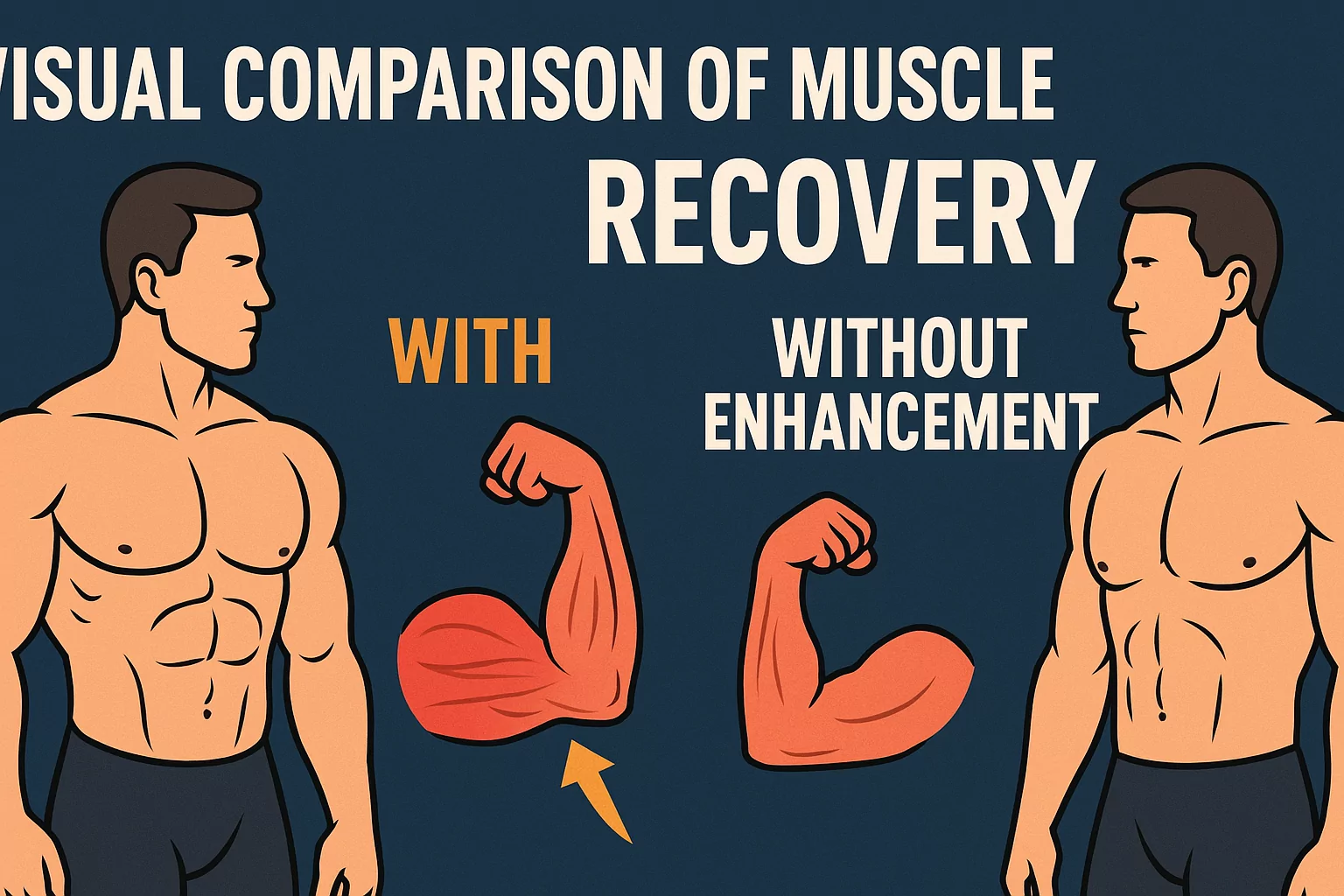
The Theory: Growth hormone plays crucial roles in collagen synthesis, tissue repair, and cellular regeneration. Enhanced recovery means you can train more frequently at higher intensities.
The Evidence: This represents Ipamorelin’s most compelling application for athletes. The mechanism is scientifically sound, and anecdotal reports consistently highlight improved recovery metrics. Users frequently report decreased DOMS (Delayed Onset Muscle Soreness), improved joint comfort, and the ability to maintain higher training frequency.
While large-scale human trials in athletes are limited, the alignment between mechanistic plausibility and user experience is strong. The ability to recover faster between sessions can indirectly support both muscle growth and fat loss over time by allowing for more productive training.
Practical Verdict: Enhanced recovery is likely Ipamorelin’s most tangible and valuable benefit for serious athletes. If you decide to buy research peptide – Ipamorelin, ensure you source from reputable suppliers who provide third-party testing for purity and concentration.
Practical Protocol: Dosing, Timing, and Cycling Strategies
For those considering Ipamorelin, understanding proper administration is crucial. (Important: This information is for educational purposes only. Consult with a healthcare professional before using any peptide compounds.)
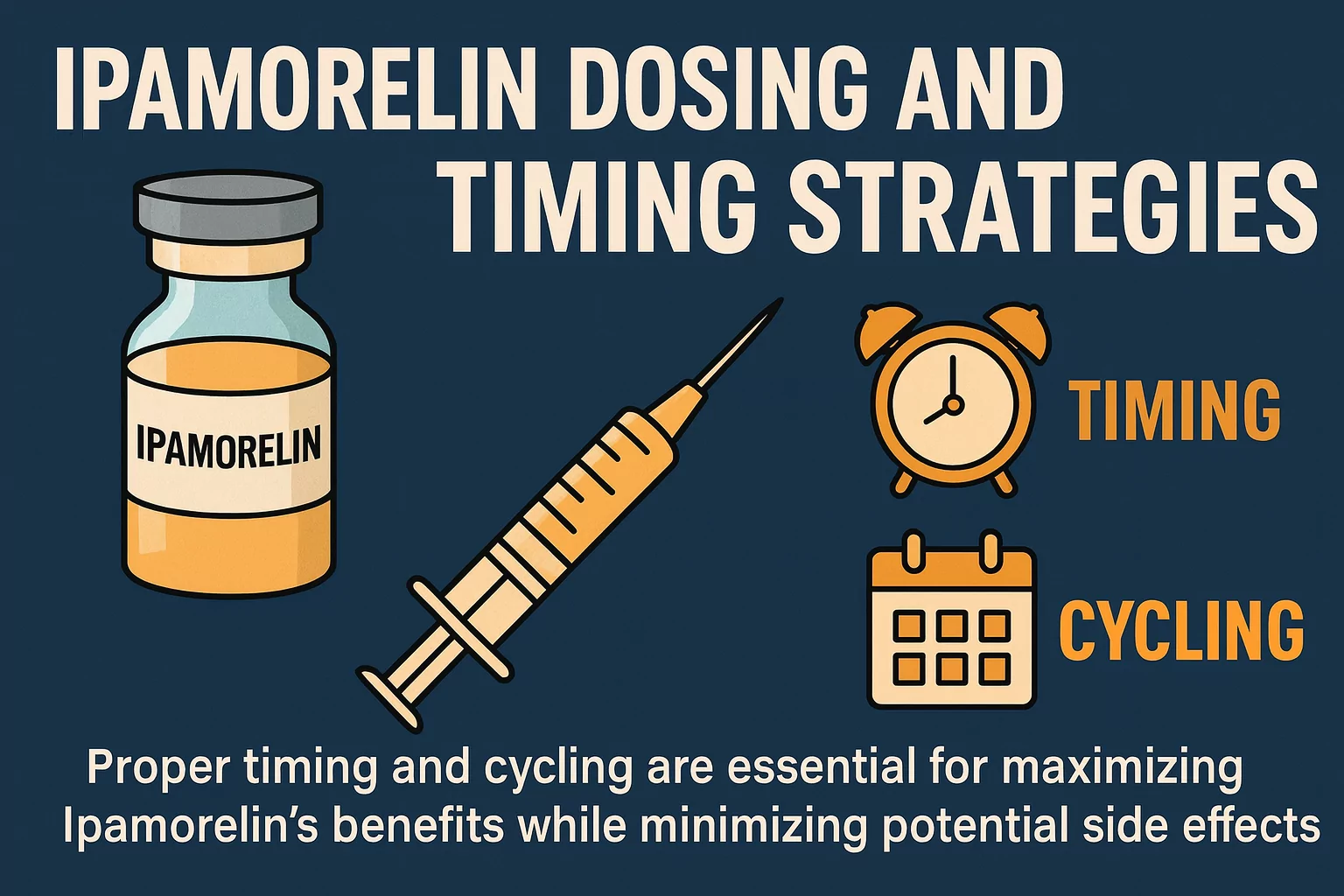
Typical Dosing: Most protocols use 200-300 mcg per injection. Beginners typically start at the lower end of this range to assess tolerance.
Optimal Timing: Administration before bedtime aligns with your body’s natural nocturnal GH surge, potentially amplifying your largest natural pulse of the day. While some advocate post-workout dosing, the pre-bed timing appears most physiologically rational.
Cycling Approach: The standard “5 days on, 2 days off” protocol aims to prevent pituitary desensitization. Some users extend this to 6-8 week cycles followed by equal time off to maintain responsiveness.
Stacking Considerations: Ipamorelin is frequently combined with CJC-1295 (without DAC), creating a synergistic effect between a growth hormone secretagogue (Ipamorelin) and a growth hormone-releasing hormone (CJC-1295). This combination typically produces more significant effects than either compound alone.
Understanding the Risks: Side Effects and Safety Considerations
No performance-enhancing discussion is complete without a thorough examination of potential risks and downsides.
Common Side Effects: These are typically mild and GH-related, including temporary water retention, transient numbness or tingling in extremities (similar to mild carpal tunnel symptoms), and increased tiredness, especially when first starting.
The Long-Term Unknown: The most significant concern with Ipamorelin is the lack of long-term safety data in healthy populations. While short-term studies show favorable safety profiles, we simply don’t know the consequences of using this peptide for extended periods.
Pituitary Function: The question of whether Ipamorelin can “burn out” your natural GH production remains debated. With proper cycling, most evidence suggests this risk is low, but it remains a theoretical concern without decades of human data.
Quality and Purity Concerns: As a research chemical, Ipamorelin exists in a regulatory gray area. The risk of contamination, improper dosing, or impure products represents a genuine safety consideration. Third-party testing certificates are essential when sourcing.
Final Verdict: Who Should Consider Ipamorelin?
After examining the evidence, where does Ipamorelin stand for athletes and bodybuilders?
Ipamorelin IS NOT a miracle muscle-builder or fat-loss solution. It will not produce steroid-like transformations. Instead, it’s a sophisticated support tool that may offer incremental benefits within a highly optimized training and nutrition protocol.
Its strongest application appears to be enhanced recovery and sleep quality, which can indirectly improve performance and body composition over time by enabling more consistent, high-quality training.
Consider Ipamorelin if: You’re an advanced athlete with already-optimized training, nutrition, and recovery; you understand and accept the potential risks and legal considerations; your primary goal is enhanced recovery rather than dramatic physique changes.
Avoid Ipamorelin if: You’re a training novice; you expect dramatic “cycle-like” results; the legal gray area and unknown long-term risks concern you; you haven’t yet mastered the fundamentals of training, nutrition, and recovery.
For most athletes, the investment in Ipamorelin might be better directed toward higher-quality food, expert coaching, or improved sleep environment. However, for those who have truly maximized these foundational elements, Ipamorelin may offer that slight competitive edge through enhanced recovery capabilities.
In the world of performance enhancement, Ipamorelin represents a nuanced tool—one that might help sharpen an already well-honed edge, but will never replace the fundamental blade of consistent hard work, intelligent programming, and nutritional discipline.
